
Why Is My TPMS Warning Light On?
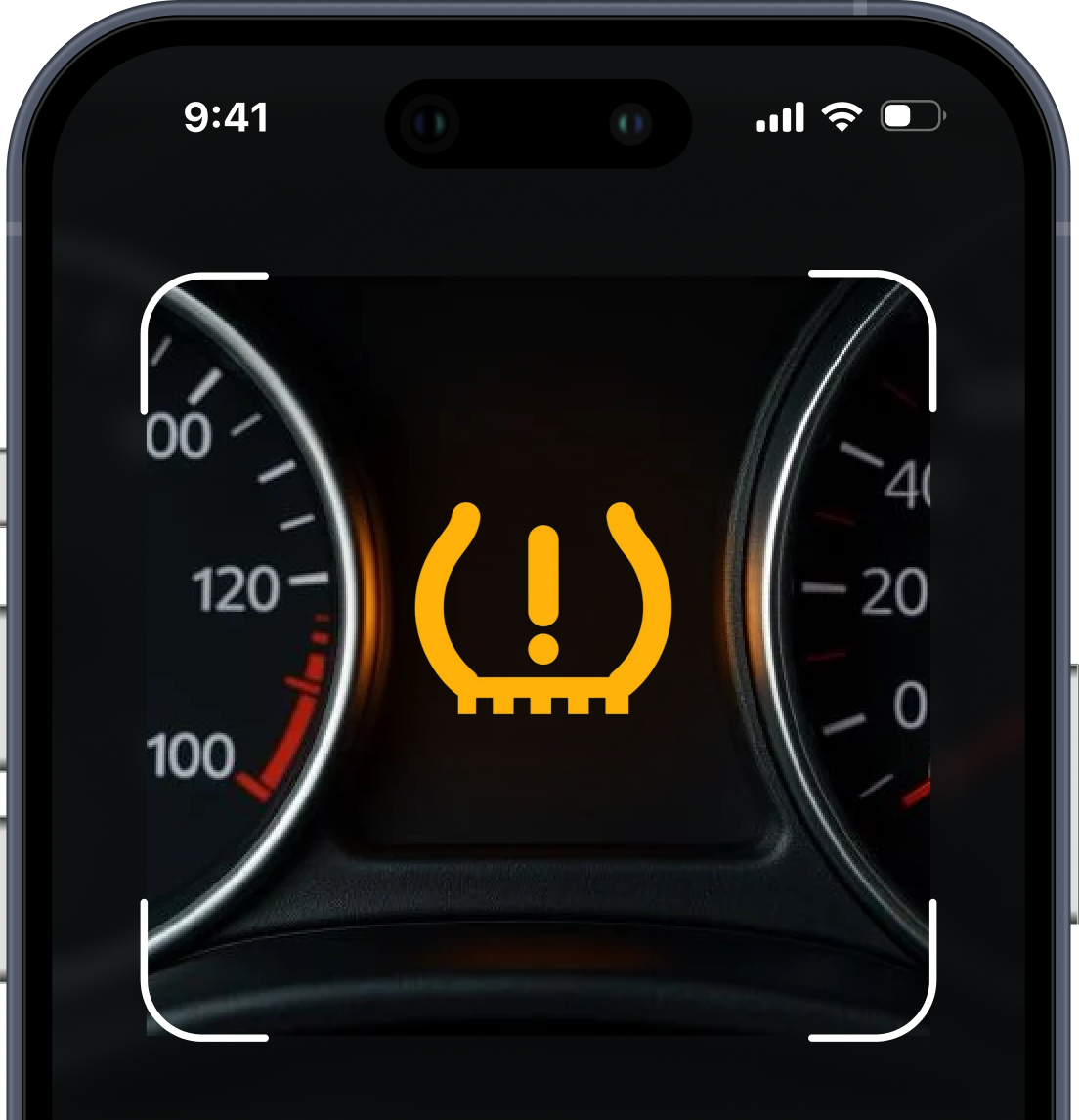
The TPMS Warning Light means one or more of your tires has low air pressure, or there's a problem with the Tire Pressure Monitoring System. Driving with improperly inflated tires can reduce handling, fuel economy, and overall safety.
No OBD scanner required.
Immediate Answer
What Does the TPMS Warning Light Mean?
The TPMS (Tire Pressure Monitoring System) Warning Light alerts you when one or more tires are below the recommended air pressure. Proper tire pressure is essential for safe handling, braking performance, tire life, and fuel efficiency.
In some cases, the warning doesn't indicate low tire pressure but instead points to a faulty TPMS sensor or a communication issue within the monitoring system.
The first step is to check the pressure in all four tires—including the spare tire if your vehicle monitors it—and inflate them to the manufacturer's recommended specification.
Is It Safe to Drive?
Can You Drive With the TPMS Warning Light On?
- Usually yes—but check your tires immediately.
- If the tires appear normal and only slightly underinflated, you can usually drive a short distance to inflate them.
- Driving with low tire pressure reduces handling, increases tire wear, and can increase stopping distance.
- If a tire appears visibly flat, rapidly loses pressure, or the vehicle pulls to one side, stop driving as soon as it's safe and inspect the tire.
Driving on a severely underinflated tire can lead to a blowout and permanent tire damage.
Common Causes
Most Common Causes of the TPMS Warning Light
| Cause | Severity |
|---|---|
| Low tire pressure | Low–Medium |
| Seasonal temperature drop | Low |
| Nail or puncture causing a slow leak | Medium |
| Damaged valve stem | Medium |
| Faulty TPMS sensor battery | Low |
| TPMS control module or communication fault | Medium |
*The exact cause depends on your tire pressure, tire condition, and whether the warning remains on after inflation.
How CarFix Helps
Know Whether It's Low Pressure or Something More
CarFix helps you understand why your TPMS Warning Light is on and what to check before continuing your journey.
- Scan your dashboard warning in seconds
- Get an AI explanation tailored to your vehicle
- Learn the most likely causes of the warning
- Understand whether it's safe to keep driving
- Receive personalized recommendations based on your symptoms
F.A.Q.
Frequently Asked Questions
Can I drive with the TPMS Warning Light on?
Yes, if the tires are only slightly underinflated and the vehicle handles normally. However, you should check and inflate the tires as soon as possible. If a tire is rapidly losing air, stop driving immediately.
Can cold weather cause the TPMS Warning Light to come on?
Yes. Tire pressure naturally drops as temperatures decrease, which is one of the most common reasons the TPMS Warning Light appears during colder weather.
Will the TPMS Warning Light turn off after adding air?
Usually. Once all tires are inflated to the recommended pressure, the light may turn off after driving for several minutes. Some vehicles require a TPMS reset procedure.
Does the TPMS Warning Light always mean I have a flat tire?
No. While a puncture is one possible cause, the warning can also be triggered by normal pressure loss, colder temperatures, or a faulty TPMS sensor.
Can CarFix help diagnose a TPMS Warning Light?
Yes. Scan your dashboard warning with CarFix to receive an easy-to-understand explanation, likely causes, severity assessment, and personalized recommendations based on your specific vehicle.

Download CarFix
Scan any dashboard warning and get a clear AI diagnosis — right from your iPhone.
Available on the App Store.