
Why Is My Coolant Warning Light On?
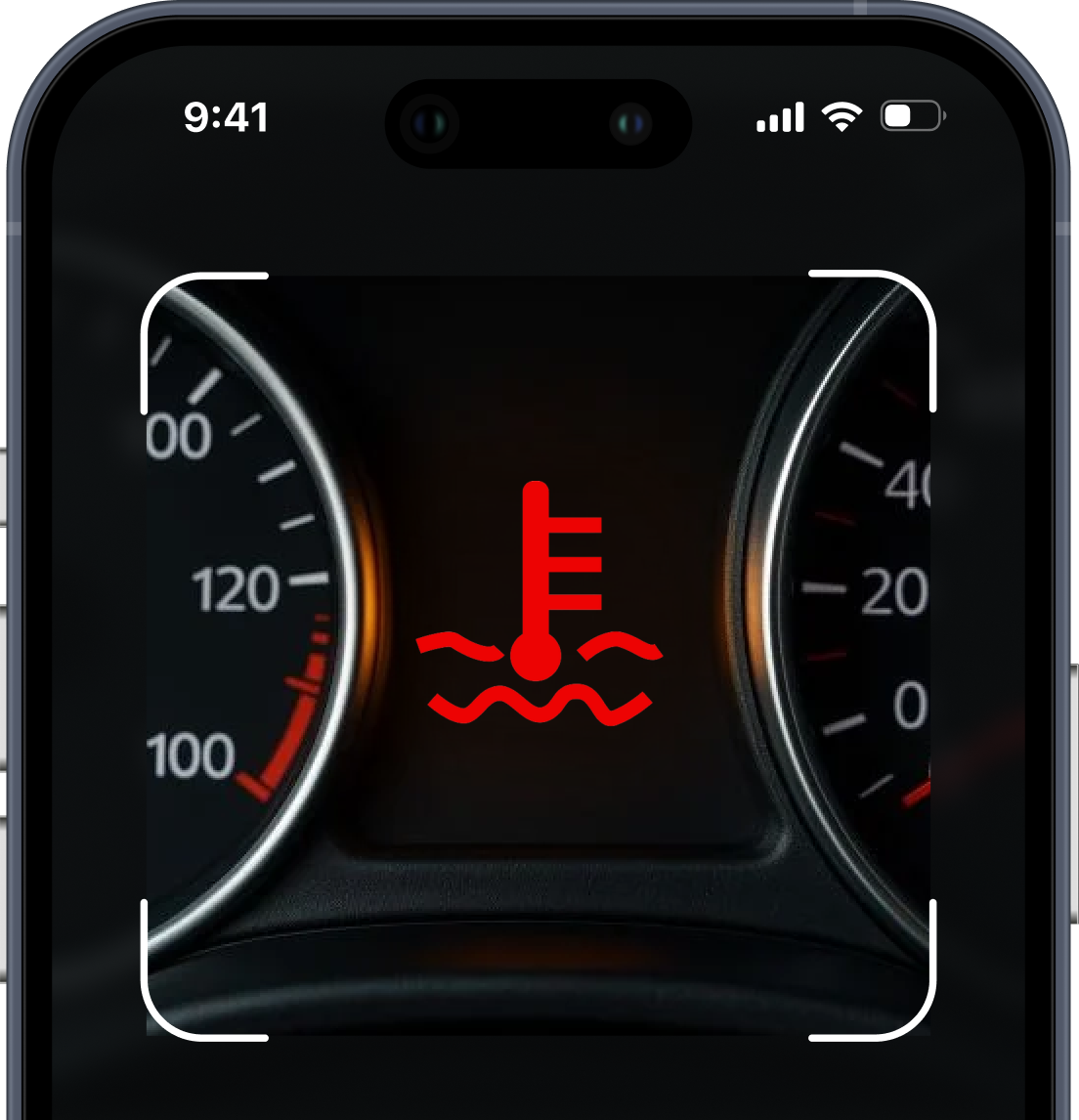
The Coolant Warning Light means your engine coolant level is low or the engine cooling system has detected a problem. Ignoring this warning can cause the engine to overheat and lead to costly engine damage.
No OBD scanner required.
Immediate Answer
What Does the Coolant Warning Light Mean?
The Coolant Warning Light indicates that your engine doesn't have enough coolant or that the cooling system has detected an abnormal condition.
Engine coolant absorbs heat and keeps the engine operating within its normal temperature range. If the coolant level drops too low or the cooling system develops a fault, the engine may begin to overheat.
Common causes include a coolant leak, low coolant level, a faulty coolant level sensor, or problems within the cooling system itself.
Although the engine may still appear to run normally, driving without sufficient coolant can quickly result in overheating and serious engine damage.
Is It Safe to Drive?
Can You Drive With the Coolant Warning Light On?
- Only for a very short distance—and only if the engine temperature is normal.
- If the coolant level is only slightly low and the engine temperature remains normal, you may be able to drive carefully to a safe location or repair shop.
- If the Engine Temperature Warning Light also comes on, the temperature gauge rises, or steam is coming from under the hood, stop driving immediately.
- Never continue driving an overheating engine. Severe damage, including a blown head gasket or cracked engine block, can occur within minutes.
Allow the engine to cool completely before checking the coolant level, and never remove the coolant reservoir cap while the engine is hot.
Common Causes
Most Common Causes of the Coolant Warning Light
| Cause | Severity |
|---|---|
| Low coolant level | High |
| Coolant leak | High |
| Faulty coolant level sensor | Medium |
| Radiator or hose leak | High |
| Water pump failure | Very High |
| Cooling system malfunction | High |
*The exact cause depends on your vehicle, coolant level, and the condition of the cooling system.
How CarFix Helps
Find Out Why Your Coolant Level Is Low
A Coolant Warning Light doesn't always mean the engine is overheating—but it should never be ignored. CarFix helps you identify the likely cause before a minor cooling system issue becomes major engine damage.
- Scan your dashboard warning in seconds
- Get an AI explanation tailored to your vehicle
- Learn the most likely cooling system faults
- Understand whether it's safe to continue driving
- Receive personalized recommendations for your next steps
F.A.Q.
Frequently Asked Questions
Can I drive with the Coolant Warning Light on?
Only if the engine temperature remains normal and you're driving a short distance to a safe location or repair shop. If the engine begins overheating, stop driving immediately.
What causes the Coolant Warning Light to come on?
Common causes include low coolant, coolant leaks, a faulty coolant level sensor, radiator problems, water pump failure, or other cooling system faults.
Can low coolant damage my engine?
Yes. Without enough coolant, the engine can overheat, potentially causing severe damage such as a blown head gasket, warped cylinder head, or cracked engine block.
Can I just add more coolant?
If the coolant level is low, topping it up may temporarily turn off the warning. However, coolant doesn't normally disappear, so the system should still be inspected for leaks or other faults.
Can CarFix help diagnose a Coolant Warning Light?
Yes. Scan your dashboard warning with CarFix to receive an easy-to-understand explanation, likely causes, severity assessment, and personalized recommendations based on your specific vehicle.
Download CarFix
Scan any dashboard warning and get a clear AI diagnosis — right from your iPhone.
Available on the App Store.