
Why Is My Check Engine Light On?
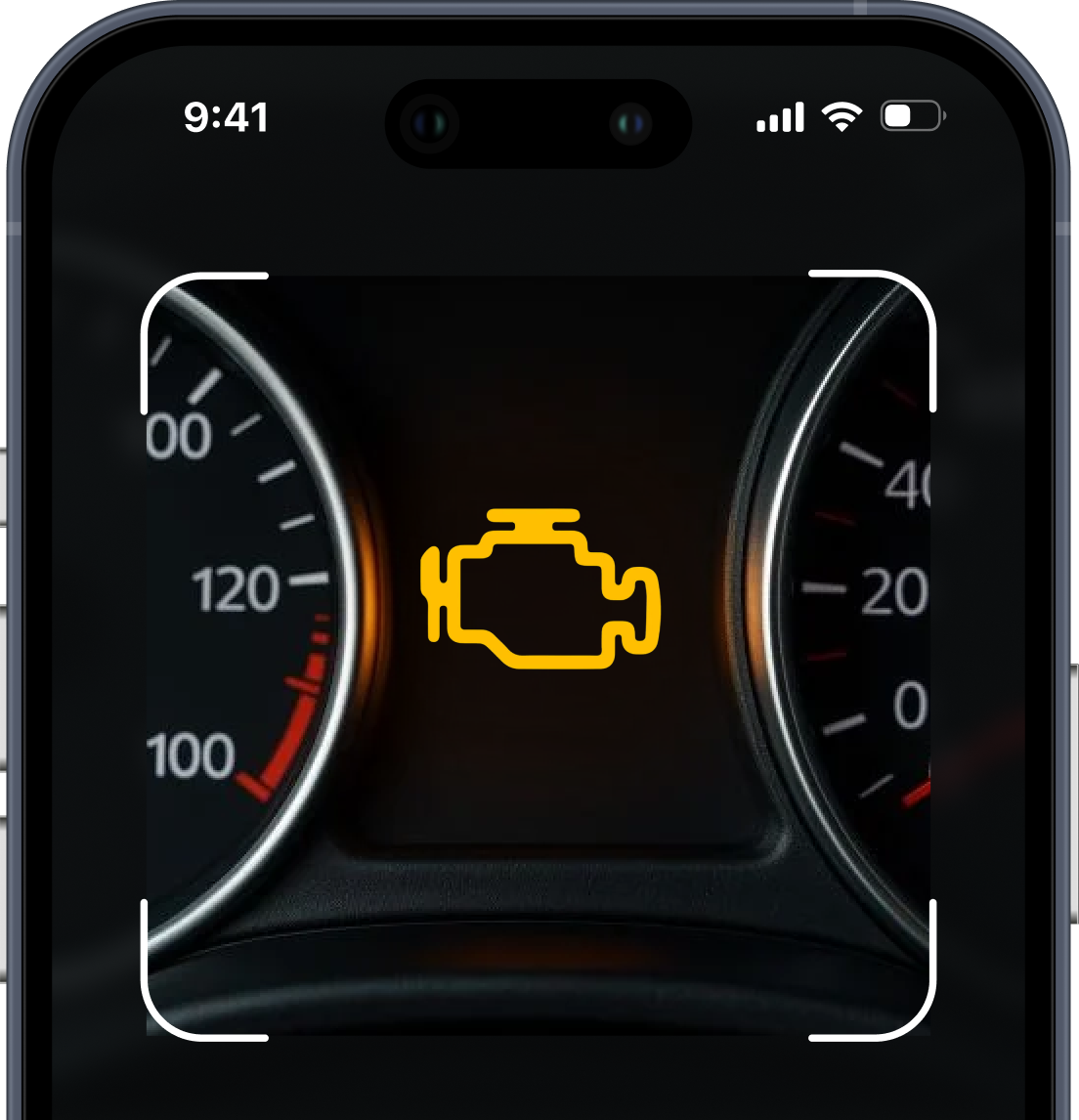
The Check Engine Light means your vehicle has detected a problem with the engine, emissions, or powertrain system. Sometimes it's a minor issue like a loose gas cap, while other times it can indicate a problem that needs immediate attention.
No OBD scanner required.
Immediate Answer
What Does the Check Engine Light Mean?
The Check Engine Light (also called the Malfunction Indicator Lamp or MIL) is your car's way of telling you something isn't operating as expected. It can be triggered by hundreds of different fault codes, ranging from simple emissions issues to serious engine problems.
A steady light usually means the vehicle can still be driven, but it should be diagnosed soon. A flashing Check Engine Light is much more serious and often indicates an active engine misfire that can damage the catalytic converter.
The only way to know the exact cause is by reading the stored diagnostic trouble codes (DTCs).
Is It Safe to Drive?
Can You Drive With the Check Engine Light On?
- Usually yes — but it depends on the warning.
- If the light is steady and the vehicle feels normal, you can usually continue driving for a short time while arranging a diagnosis.
- Reduce unnecessary driving if you notice rough running, loss of power, unusual noises, or poor acceleration.
- If the Check Engine Light starts flashing, stop driving as soon as it's safe. Continuing to drive could cause expensive engine or catalytic converter damage.
If the engine is overheating, smoking, or making loud mechanical noises, stop driving immediately.
Common Causes
Most Common Causes of the Check Engine Light
| Cause | Severity |
|---|---|
| Loose or faulty gas cap | Low |
| Faulty oxygen (O2) sensor | Low–Medium |
| Ignition coil or spark plug failure | Medium |
| Mass Air Flow (MAF) sensor issue | Medium |
| Catalytic converter problem | High |
| EVAP or emissions system leak | Low–Medium |
*The exact cause depends on your vehicle, stored fault codes, and other symptoms.
How CarFix Helps
Scan the Warning. Get Clear Answers.
CarFix helps you understand exactly why your Check Engine Light came on—without guessing.
- Scan your dashboard warning with your phone
- Get an AI explanation tailored to your vehicle
- Understand likely causes and repair urgency
- Learn whether it's safe to keep driving
- Ask follow-up questions about your specific symptoms
F.A.Q.
Frequently Asked Questions
Can I drive with the Check Engine Light on?
If the light is steady and the vehicle is driving normally, you can usually continue driving carefully. If it's flashing or the engine runs poorly, stop driving and have the vehicle inspected.
What causes the Check Engine Light to come on?
Common causes include a loose gas cap, faulty sensors, ignition problems, emissions faults, vacuum leaks, or fuel system issues. The exact reason can only be confirmed by reading the diagnostic codes.
Can the Check Engine Light turn off by itself?
Yes. If the issue is temporary, the light may go out after several drive cycles. However, the fault code is often still stored and should be checked.
How much does it cost to fix a Check Engine Light?
Repairs can range from under $20 for a gas cap to $2,000+ for major engine or emissions repairs. Reading the fault codes is the first step before estimating repair costs.
Can CarFix tell me what's wrong?
Yes. Simply scan your dashboard warning with CarFix to receive an easy-to-understand explanation, likely causes, severity, and recommended next steps based on your specific vehicle.

Download CarFix
Scan any dashboard warning and get a clear AI diagnosis — right from your iPhone.
Available on the App Store.